Up next in 10


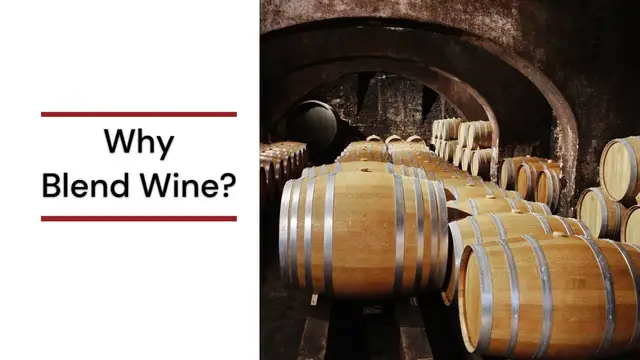
If you're drinking wine right now, chances are very good that it's a blend.
Wine blending isn't just about flavor, it's a practical part of making wine.
Check out the full post on blending wine here:
https://www.terravenos.com/trellis/7-reasons-blend-wine
Show More Show Less View Video Transcript
0:00
Welcome back to the TerraVinas channel. I'm your host Erin and today we're getting into the reasons
0:04
for blending wine. Even if you consider yourself a varietal purist only drinking Cabernets or
0:09
Pinots, chances are good that you've enjoyed a blended wine. Let's get started by looking at
0:14
the historical reasons for blending wine. Blending wine has probably been around since, well
0:18
people first started making wine. In ancient times, vineyards were often planted with a mix
0:23
of grapevine varieties, creating what is known as a field blend. Farmers understood that blending
0:29
different grapes together offered numerous advantages. It helped reduce risks associated with adverse weather events, ensured a reliable crop, and increased biodiversity. If, for example
0:40
an early frost hit a field blend vineyard and only half of the grapes were planted to an early budding
0:45
grape, like Pinot Noir, then the farmer could still rely on the other non-Pinot grapevines to produce
0:51
a crop. Think of it like an early form of crop insurance. As viticulture science improved, the
0:56
focus shifted towards planting mano varieties, where specific grape varieties were cultivated
1:01
separately. This allowed growers to optimize their vineyards, selecting the best suited grape
1:05
varieties for their particular sites Winemakers began vinifying different blocks separately too and then blending them together to create wines that were richer and more refined and reflected the diverse characteristics of the vineyards
1:17
The art of blending continued to thrive, and now it moved into the winery
1:22
Okay, let's get into the modern reasons why winemakers continue to embrace the art of blending
1:26
Blending isn't just a creative process, but also a practical tool that winemakers can use to shape their wines in various ways
1:32
First and foremost, blending is a way to improve quality. winemakers carefully select each component, ensuring that it contributes its best attributes
1:39
to the final blend. It's like assembling a team of skilled players, where bringing them together
1:44
elevates the gain. Complexity is another goal winemakers aim for through blending. They combine
1:49
different lots and varietals, each bringing its unique element to the bottle. Picture this
1:54
a red wine blend made with medium toast French oak, heavy toast French oak, and Hungarian oak
2:00
Blending these together adds notes of caramel, coffee, spice, and smoke, along with balanced
2:04
tannins and oxidation levels. It's like creating a symphony of flavors and aromas
2:09
Next we have maintaining consistency. Maintaining consistency is vital for big wine brands
2:14
They want their wines to taste the same year after year. Blending becomes their secret
2:17
recipe allowing them to achieve that perfect seamless bottle every time Think of popular wine brands like Menage A Trois Cupcake or Mayomi here in the United States And it not just inexpensive wines House ports and champagnes are always
2:31
blends. Large brands have loyal fans who appreciate the consistent flavor and aroma profile these
2:36
blends offer. Hiding flaws is another great reason for blending wines. Sometimes blending serves as
2:41
a solution to correct flaws in a wine. Winemakers can hide imperfections by blending them with other
2:46
wines. For example, grapes affected by smoke taint or stuck fermentation can be blended with
2:51
unaffected wines to minimize the negative impact. Blending also plays a crucial role in meeting
2:55
quantity demands. Wineries face challenges like frosts or heat waves that can reduce yields
3:01
Mother Nature is super unpredictable, but blending wines offers winemakers a way to adapt and satisfy
3:06
the market's needs. Not all shortages are caused by Mother Nature. Emerging brands can enjoy an
3:11
unexpected surge in popularity for a particular wine and need to make more. Blending allows them
3:17
to extend their inventory by purchasing wine on the bulk market. Let's not forget about the
3:21
financial aspect. Wine grapes are a significant expense in winemaking. By blending less expensive
3:26
grapes with higher quality ones, wineries can reduce production costs while maintaining an
3:30
acceptable price point It a balancing act between quality and affordability Lastly blending wine is sometimes driven by legal requirements Various countries and regions have specific regulations governing wine labeling For example
3:44
here in California, winemakers often blend grape varieties to create complex and balanced wines
3:49
that meet legal requirements. In the Napa Valley region, Cabernet Sauvignon is highly regarded
3:54
However, according to the regulations set out by the Alcohol and Tobacco Tax and Trade Bureau
3:59
or TTB in the United States, wine only needs to contain a minimum of 75% of a particular grape
4:05
variety to be labeled as that grape, for example, Cabernet. So only 75% of a bottle of Napa Cab
4:13
you're holding needs to be Cabernet grapes. 25% can be another variety, like Merlot, Cab Franc
4:19
or Petit Syrah. Drap things up, you can see that blending wine is a multifaceted art form that
4:24
serves many different purposes, from craftsmanship to quality to financial and stylistic
4:29
It's a delicate dance between creativity and practicality where winemakers strive to create wines that you'll love
4:35
Alright, that's it. I hope you've gained an appreciation for the many reasons that winemakers may choose to blend wine
4:41
Blends aren't a bad thing and deserve your attention. Thanks so much for joining me again. Don't forget to hit the like and subscribe if you're stopping by for the first time
4:48
Drink well, and until next time
#Food & Drink
#Alcoholic Beverages
#Food
#People & Society
#Vineyards & Wine Tourism