Up next in 10


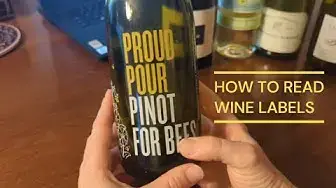
Here's a quick introduction on how to read wine labels. I go through 6 wines that all have different labels that tell you what's inside and what the quality level is. If this was helpful and you want to see more, let me know and I'll upload more examples.
Cheers!
Show More Show Less View Video Transcript
0:00
Hi everyone
0:07
So I pulled some bottles from my wine shelf slash seller. These are everyday wines that anyone can go out and purchase
0:17
They aren't iconic or expensive wines. I thought it would be fun to go through and look at what the labels tell us
0:24
I thought it would be a great exercise to go through and check out how
0:29
wine labels are put together and the types of information that you can find on a bottle of wine
0:35
So the first one is this proud pour Pinot for the bees and I
0:40
was immediately attracted to the label. This is screened on so it's not a paper label and
0:48
it doesn't tell you a lot as you're looking at the bottle. You actually have to turn it around
0:53
And so on the side, this is clever design right here. They've put Pinoir 2020
1:00
So we know that the majority of the grapes in this bottle are Pinoir, and it's Fonse
1:05
So this is a generic geographical location. This means that the Pino-No-Noire grapes came from anywhere in France
1:15
They didn't necessarily come from Burgundy or from the Loire or a different region
1:22
They could have come from anywhere in France. So it's very likely that they came from a region not known for quality-producing
1:29
grapes, right? So this is just generic bulk wine. The other thing that we see here is made with
1:36
organic grapes. And I always think this is interesting. So made with organic grapes, so you think
1:41
ah, this is an organic wine. But that's not the case. Organic grapes means that they were farmed
1:48
organically. Organic winemaking is what happens in the winery. So we know that these are organic
1:54
grapes. Let's keep looking at the back. So on the back, we see the
1:59
the name of the wine made with organic grapes. And then it has a little sales pitch here about how wonderful bees are
2:07
And I do think bees are wonderful. And it says it is vegan friendly
2:14
So they didn't use any animal products. And that would usually be egg whites or kaysen, which is a milk byproduct or maybe a gelatin
2:25
They're trying to find the wine. Finding is making it crystal clear, right
2:28
So they didn't use any of these animal products. They probably used a clay-based agent or a synthetic agent
2:35
And then we still need to turn. It doesn't tell us anything still about the producer, right
2:40
So we know that the name of the wine is Pino for the Bees, but we don't know who produced the wine
2:45
You have to keep turning the bottle around. And here is where it gets interesting
2:49
You see here, 750 milliliters. All standard wine bottles will be 750 milliliters
2:57
You have the alcohol, 12.3. So that's ethanol. 12.3% of this bottle is ethanol. Bottled by Proud Poor Morgan Hill, California. So this is fascinating. We know that the wine is from France, but it was bottled in the United States. So this means it came over in a large container, was imported probably on a very large container ship, and then bottled here once it came to the United States. And that's pretty common. They do that because shipping glass is expensive
3:28
And because this is an entry-level wine, the profit margins aren't there to be able to ship it in bottle
3:35
And bottles are heavy and fragile, and they break and you get product loss
3:40
And then you have imported by Proud Poor Washington, D.C. So this is the company that bought the wine and brought it into the United States
3:50
And then certified organic. And here all of them will have contained sulfites
3:54
That's a preservative, natural preservative. and then the government warning that we have to have here in the United States about how alcohol is dangerous and you shouldn't be operating heavy equipment or pregnant while you're enjoying
4:06
Okay so that bottle number one proud pour pino for the bees It is a von de France so this is an inexpensive bulk wine It made from organic grapes and it vegan and it was imported and bottled in Morgan Hill California
4:24
And it's 12.3% alcohol. So this is your first bottle. This is what we know about Proud Poor for the Bees
4:31
Let's go on to the next one. Okay. Here we are on our next wine. You see the name of the wine, Vigniol
4:36
the name of the grape which is vionnier this is a white wine it's aromatic and then you see the region
4:44
peedoc and this is in France and we'll talk about that in a minute and then you see the year 2020
4:49
so this is the year that the grapes were grown and harvested over in France in this region paydock
4:56
let's turn the bottle over and see what it says about the wine again we see the name
5:02
we see the name of the grape we see a little sales pitch here that describes
5:06
what this is about. And then we see pay doc, Indicogation Geographic Protegé. So Indicogation
5:14
Geographic Protegé is often abbreviated into IGP. And this is still a large geographical region
5:23
but it is defined. It's not as generic as von de France. And here is where it gets interesting
5:29
You see bottled by and then this number and letter code France. So
5:36
unlike the last wine, which was imported in bulk and then bottled here in the United States
5:42
this one was actually bottled in France and then imported into the United States. And this is probably
5:47
a large bottling company and wine company that made this wine. And so we're still not talking
5:55
about really high quality wine. You're not seeing the name of a producer. You just see the name of
6:01
the wine and the name of the grape here. And then Product of France. And then Product of France
6:06
white wine contains sulfites in the government warning. And here you have the importer, so Plum Ridge
6:12
Claremont, California. This is who was responsible for bringing the wine into the United States
6:17
And you see their email address. Again, that's all you have for contact information in the United
6:23
States. You see alcohol levels, 13%, 750 milliliters. Again, that's standard. And then here's the
6:31
vintage 2020. All right. So a little bit. higher quality in terms of specificity on where the grapes came from and where it was
6:43
bottled. Let's move on to the next wine. El Terrano, Vinos de Spain, Rueda
6:52
denomination de origin, Verdejo, 2019. So this is the name of the wine. This is the
7:02
D.O. Denomination of origin, where the grapes came from. Rueira's well known for Verdejo. Verdejo is the name of the white grape
7:12
It's a delicious white wine. And this was the 2019 vintage. So the grapes were grown and harvested
7:21
in 2019. I love the label. It's floral and bright and just speaks to flamenco dances and sunny
7:31
terraces and everything Spain. So let's look at the back of the label. On the top, again, you have
7:37
the name of the wine, the grape, the year bottled for Valkyrie selections. So they're the ones that
7:45
wanted this wine bottled. And then you have the bodega reina address. So this is a specific
7:51
winery in Spain. And then you have the importer, Pacific Highway Wines and Spirits. So all three of
7:59
these companies were working together to get this wine to you on your wine shelf. And then you have
8:05
the government warning, the 750 milliliters, and the alcohol, and contains sulfites. The other thing
8:13
you have, and you'll see this in all Spanish wines, is this lovely little label here. And each
8:19
region in Spain has its own stylized label And this is a sign of quality that the grapes came from this Dio right Denomination de origin
8:31
So look for this when you're looking for Spanish wines. And they're lovely
8:35
They're very artistic and colorful. All right. Let's go on to the next wine
8:39
Here is the next wine. And we have this name up here, Cave de Genui
8:47
And Cove in France is a cooperative. So this is a group of growers that come together and share a space and produce wines under this name, the Cobb de Genui
9:01
Sometimes they can take those wines and sell them under their own label or they sell them under the cooperative label
9:09
So that's what we're looking at here. And then we have the year, so 2020, Burgoyne Aligote
9:17
So Aligote is the name of the great. here. So this is burgundy
9:21
aligote and this is a white grape. It's delicious. And then you have again
9:27
Appalation, Appalachian Burgoyne Aligote Controlete. So this is a specific AOC, controlled
9:36
region, geographical region just for Aligote. And then it's in gold here which makes a little
9:42
challenging to see here but it says my symbol to la propriete. So this
9:48
was bottled at the property of this cooperative, right? So it was imported in this glass bottle. And the glass bottle is
9:56
actually lighter, which makes sense because shipping glass is expensive. And this isn't a super high
10:02
quality wine. So that would be expected. And then we have the cooperative of wine growers of
10:12
Genui, right? And so that's what this part is here. So we have the name of the producer
10:17
in this case it's a cooperative, the region, and the grape in the year
10:23
And over here we have the alcohol, 12%. This is a very moderate level of alcohol, medium level
10:29
I like this wine. You could drink several glasses of this and be able to still function, right
10:35
And 750 milliliters over here. So all the information that you need to know what's in the bottle and the quality level
10:41
but let's turn it over and look at the back. Here on the back of the bottle, this is a really typical import
10:47
label. So each country when you're importing wine has specific regulations and oftentimes the front of
10:55
the label will be standardized and then the back of the label will be this generic little sticker of
11:03
information that's tailored to whatever the local regulations are for wine sales. So you have again
11:11
Burgoyne Aligote, Burgundy Aligote and then you have the producer this co-opause
11:17
Product of France, white burgundy wine. Alphio Morricone selection. So Alphia Morricone here
11:25
he is a renowned, well-known, wine importer, and a salesperson. He works with total wine. So this
11:35
individual, this name is supposed to carry weight and importance that you would recognize this
11:41
and know that it will be a quality wine, that this individual helped select it and bring it in
11:47
alcohol level, and again, volume. So these are the required elements of this import label
11:55
And then you have the company that imported it in Stanford, Connecticut, your government
12:00
warning label, and then again, contain sulfites. And then your skew here
12:05
So this is a standard import label. And this is the wine label that will tell you what you hopefully will attract you to the
12:13
wine in the store. Here is wine number five. We have a Sanssère
12:20
So the year is 2019. Sanser is an Appalachian that's controlled, so an AOC
12:29
in the Loire Valley of France. It a very specific delimited region and it produces Sauvignon Blanc So this wine if you didn know looking at it is 100 Sauvignon Blanc And then you have Louis Millet So this is the name of the producer
12:49
And then you have this little bit of information here that's interesting, produced and bottled at the
12:54
estate. So this means that it was made and bottled at the estate. It doesn't mean that the grapes were
13:02
grown by Louis Millet. It just means that the grapes came to the winery and was bottled at the
13:09
winery. And then France and the address here. So this is a nice label. Let's look at the back
13:18
Let's see what it tells us about this wine. Ah, look at that. It says 100% Sauvignon Blanc. This is to
13:25
help you as a consumer because you may not know that Sanssère is 100% Sauvignon Blanc. So again
13:31
the name Sanssere, which is synonymous with Sauvignon Blanc, where it came from, the AOC, and the producer
13:41
Produced and bottled at the state. You have very specific information about the addressed and contact information
13:47
You have who imported it. In this case, it was Latitude wines. There's the 750 milliliters
13:53
Alcohol, 14.5%. This is quite high, but not uncommon for Sancerre, because it gets wonderful intention
14:01
slight intercept that is just fantastic at ripening the grapes and produces amazing wines
14:07
And then you have Loire white wine and your government warning and there's the contained
14:12
sulfites again. That is your Sonser. The final bottle that we'll look at together is this Stag's Leap Cabernet Sauvignon
14:25
So up at the top, it says 2017. So this is the year that the grapes were grown and harvested
14:34
The name of the producer is Stagg's Leap. Cabernet Sauvignon is the name of the grape, a red grape
14:40
And the majority of the grapes in this bottle of wine will be Cabernet Sauvignon
14:46
And then you have Napa Valley, which is an American viticultural area
14:50
So this means that the grapes came from Napa Valley, somewhere in Napa Valley
14:56
It doesn't mean they came from a specific area or vineyard within. Napa Valley, they could have been mixed from many different vineyard locations
15:03
And then here's some information about the wine producer to help you feel like this is a
15:09
high-quality wine. It says First Vintage 1893. Let's take a look at the back and see what it tells us
15:17
Here on the back of the label, again, we have all of the required legal information
15:22
You have the vintage 2017. You have the name of the producer, Stag's Leaps Winery
15:29
And then you have this lovely little paragraph that is hopefully going to entice you to pick up this bottle of wine
15:37
It must have worked for me. And you have the contact information of the winery
15:43
And then you have vinted by Stagg Sleep Winery and bottled by Stagg Sleep Winery
15:49
So these grapes came into the winery and were made into wine
15:55
at their winery, and they were bottled at the winery. It doesn't mean that they grew the grapes
16:00
This isn't an estate wine. And then you have the government warning alcohol 14.3.3%. That's pretty
16:08
common for a Napa Cabernet, the volume, 750 milliliters, and then contained sulfites
16:15
So Stag's Leap produces nice wines, very nice wines. Is this their highest version, their highest
16:24
label, quality label, no, but this is still a very good wine. With that, you have six different
16:31
bottles of wine, all distinctive label styles that give you different types of information
16:37
Hopefully that gets you curious to read more and go and explore the next time you're in the
16:43
bottle shop. I'll see you next time
#Beverages
#Alcoholic Beverages
#Food
#Tourist Destinations
#Vineyards & Wine Tourism